choke.
Note: I tried to think of a better title for this one and could not. This one’s all about the 2001 novel CHOKE and the 2008 movie of the same name. Spoilers for both ahead, and since they deal with sex addiction, child abuse, mental illness, and rape fantasies, consider yourself warned.
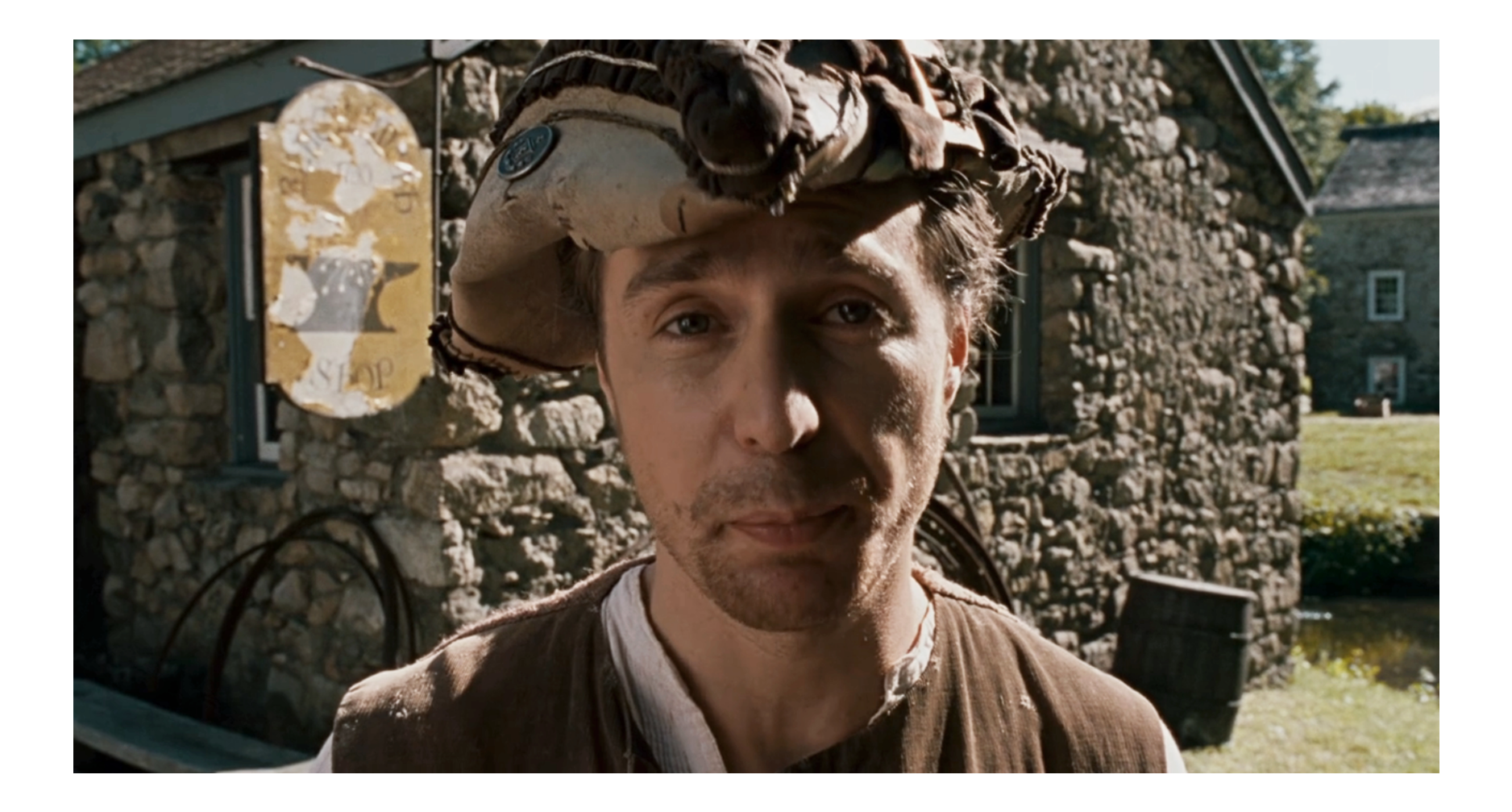
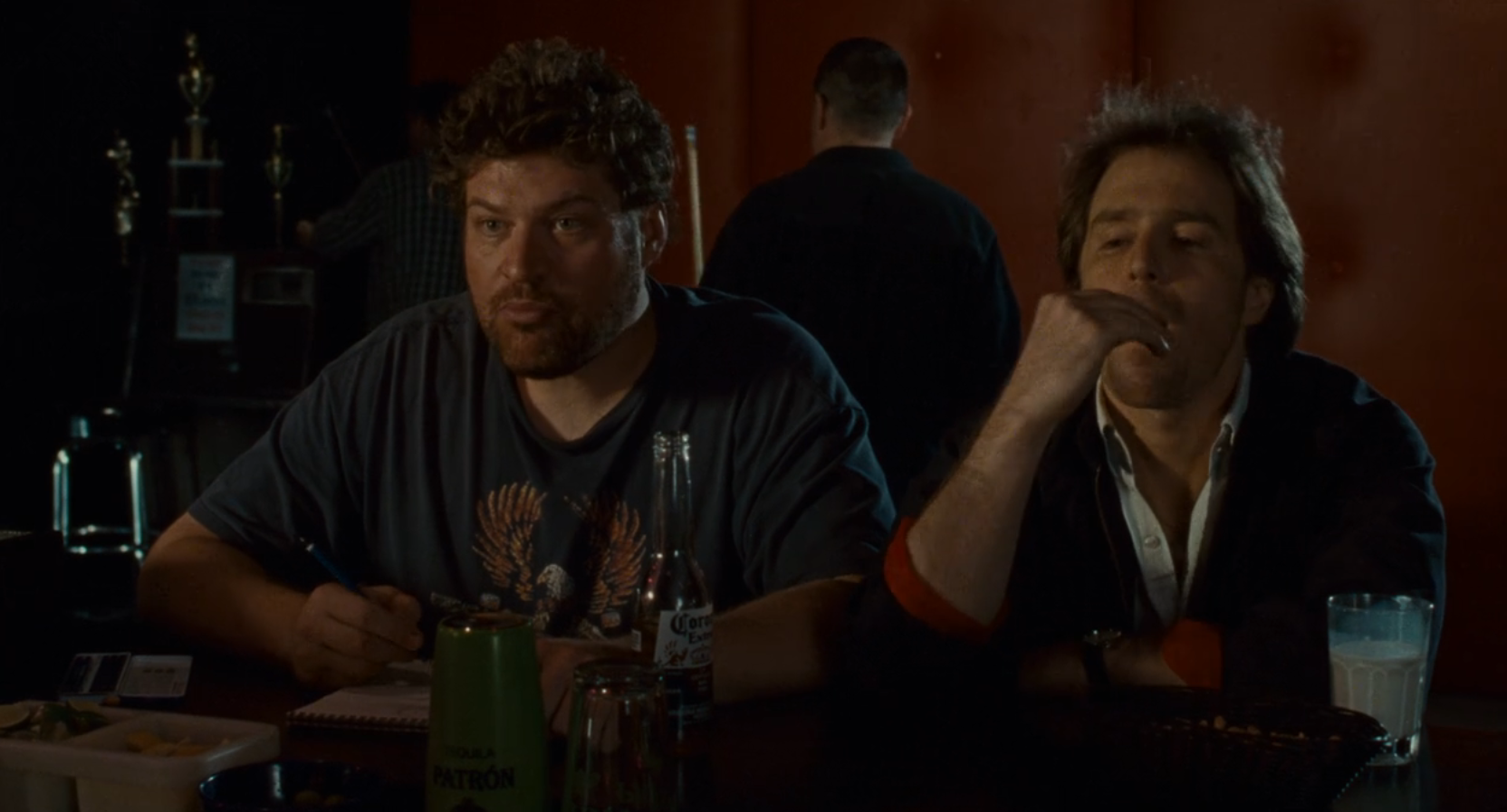
Choke is a messy movie. First-time feature director Clark Gregg (yes, the Agents of Shield guy) wrote the screenplay, based on the novel by Fight Club scribe Chuck Palahniuk, and while the cast is perfect, it doesn’t quite translate easily from page to screen. The first-person narrative is an overwhelming aspect of the novel (much like Fight Club), and there’s only so much voice-over or direct-to-camera commentary star Sam Rockwell can give before it starts to feel like a bit. Not only that, but the movie shuffles the events of the novel around to make a more traditional movie narrative, but big story moments end up losing meaning in the process. Despite these things, or maybe even partially because of them, I have a lot of love for this movie and the book that inspired it. Choke is about a deeply broken man who doesn’t really seem to believe he deserves love, yet he’s constantly chasing physical intimacy through both sex addiction and a hobby of intentionally choking on food in restaurants to get people to save him. Victor Mancini (Rockwell) is a med school dropout and, in the words of his best friend Denny (the late, great Brad William Henke), an asshole.
The framing of the novel (and the film, though a bit more loosely) is that it’s Victor’s version of his fourth step in Sex Addicts Anonymous, in which he must make a moral inventory of himself, looking for the root causes of his resentments and negative impulses. As Denny says: “it’s a searching fearless inventory of everything you did and everything that was done to you in your sordid sex addict history.” Victor keeps coming back to his mother Ida (Anjelica Huston), who put him through a traumatizing childhood bouncing between foster homes when he wasn’t on the run from law enforcement with her. She can be downright abusive to young Victor when he doesn’t remember the “lessons” she’s trying to teach him about the world and keeps him away from other children. The novel opens (and movie nearly ends) with Ida telling Victor a story about a Greek tragedy where a young woman traced her lover’s shadow to remember him by, having him trace her shadow on an outstretched road map. That’s a lot to drop on a kid, especially your own kid, but that’s the kind of wisdom Ida chose to bestow on Victor between lessons on hospital codes and having him help her do things like switch hair dye bottles into different boxes at the store.
So it should really come as no surprise that when Ida starts showing signs of dementia and Victor drops out of medical school to put her in a care facility, he’s a little bitter. To make things worse, she also never recognizes him as her son, and talks negatively to him about “her son Victor” pretty regularly. He also works in a colonial village recreation with a hardass boss (Gragg, clearly having fun as “Lord High Charlie”), which means he’s one seriously miserable man. So to find breaks from his misery, he has sex with strangers as often as possible, getting into higher risk situations as his need grows. He is always trying to push himself right to the edge of existence, both with his perpetual need for orgasm and his intentional choking scenarios because the only “love” he understands is extreme — thanks to Ida. It wouldn’t be a stretch to say that Victor’s fear of abandonment kept him from ever letting himself actually be in a real relationship, but beyond that, Victor seems incapable of being loved. He doesn’t think he’s worthy of anything positive, and so he acts like the worst version of himself in response. It’s a self-destructive behavior that some people with childhood trauma unfortunately know all too well.
What happens, then, when one of the patients at his mother’s care facility, operating under the guise of “Dr.” Marshall (Kelly Macdonald), convinces Victor that he’s the second coming of Christ, as told in his mother’s Italian diaries? Instead of embracing goodness, he stays true to character and tries to prove her wrong.
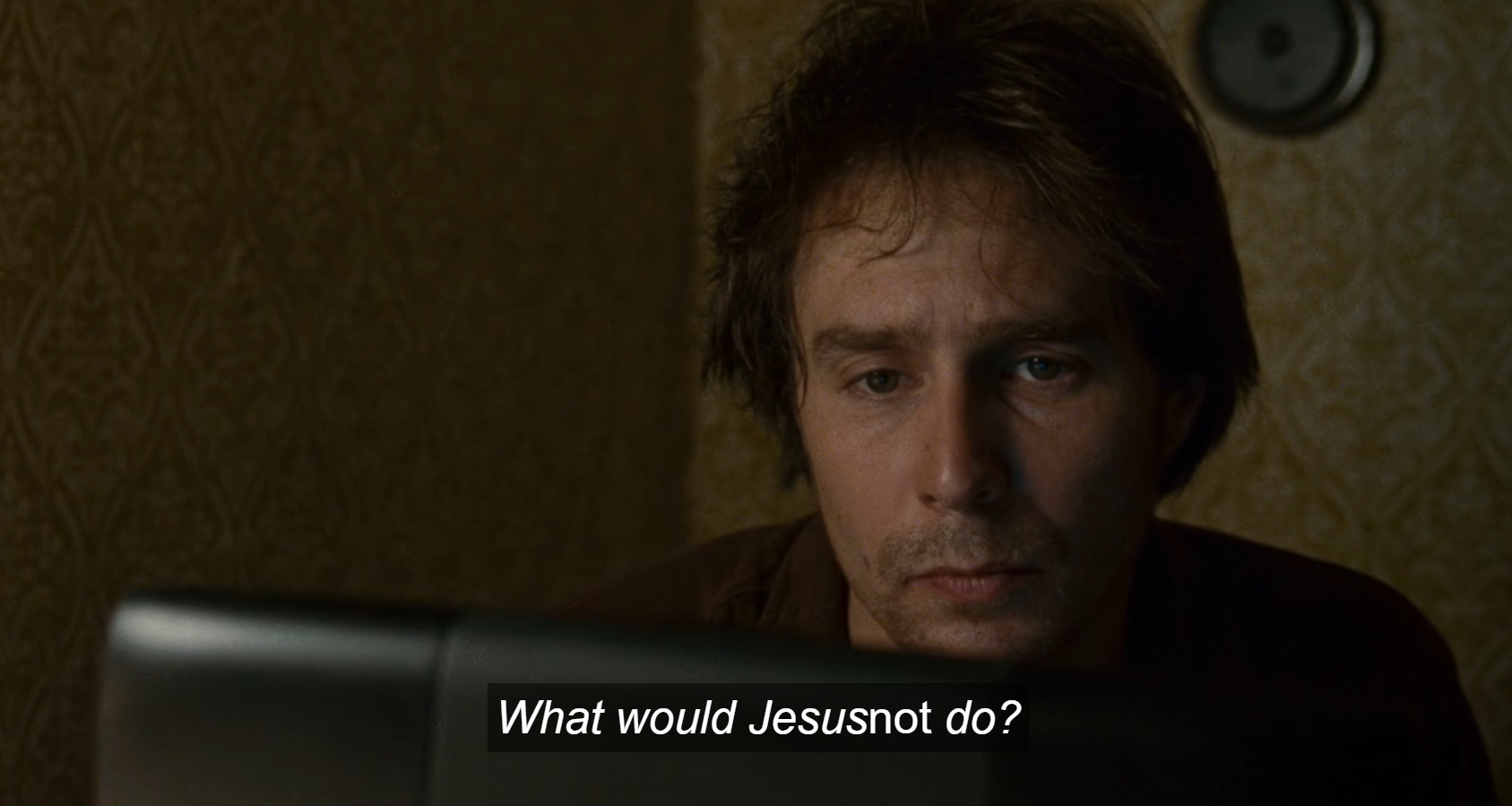
Hurt people hurt people, and that’s kind of Victor’s whole deal. It makes him pretty unlikable despite Rockwell’s nigh-impossible levels of charisma, although his reasons for bitterness are pretty understandable. Ida hurt him again and again, but he still constantly tries to show her his love and is stuck in a cycle of misery and destruction. He has to break the cycle in order to heal. After indulging in his worst impulses to try and prove that he’s the opposite of Christ-like, he starts to come around to the idea that maybe he could just be stuck. He asks Denny’s new girlfriend, an exotic dancer named Beth, if she thought maybe Jesus had a phase in his unwritten-about teenage years where he was a bit of an asshole, too, and her response is brilliant:
“Jesus was all about the idea that people are transformed. Not by being loved... but by the act of loving somebody, no matter how hard it is.”
Victor’s tough-to-love mother then gets moved to the third floor of the care facility, which is essentially hospice care, because she has stopped eating for so long and refuses a feeding tube. He goes to her and she decides to tell him the truth, finally, after all of these years: she stole him out of a baby carriage. He had loving parents out there somewhere and she took that from him. Losing it a little bit at this information, he starts to force feed Ida pudding, which (rather ironically) causes her to choke and die. “Dr.” Marshall then reveals her true identity and that she made the whole Christ thing up to make Victor see the good in him that she saw, explaining that after having a mental breakdown in med school, Ida’s stories helped her find herself again:
“The next thing I remember… is your mother, sitting in my room telling me stories... about this brilliant, loyal boy who stuck by her through thick and thin despite the many, many ways she had failed him. And then one day... there you were.”
It turns out there was something a little Christ-like in Victor all along, as he loved Ida and showed her patience time and again. He realizes that the capacity for love was in him all along, it had just been reserved for Ida. Finally able to see the abuse for what it was, he looks to reclaim his worth and build an actual future for himself with the now-honest Paige Marshall. The movie ends with him coming full-circle on his sex addiction, hooking up with his now-partner Paige in an airplane bathroom (the place where his sexual misadventures began), but this is one place where the novel wins out.
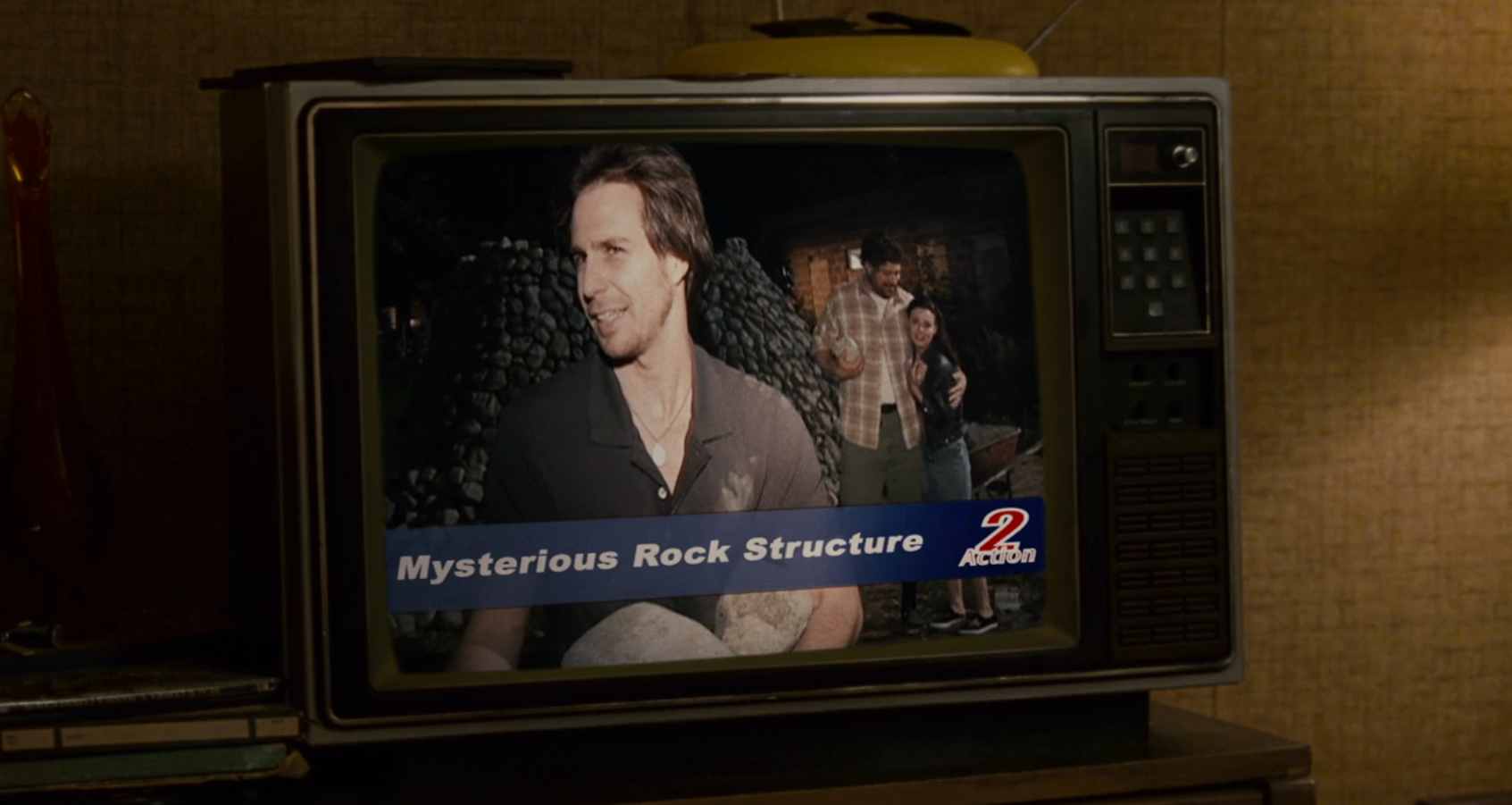
Victor’s best friend and roommate Denny gets fired from his job at the colonial park and needs a new hobby to keep him from his masturbation addiction, so he begins collecting rocks. His uncle dies and he’s given a small bit of land where he starts stacking the rocks into a loose structure, even gaining the attraction of the local news. Victor even invites people to “come down and bring a rock” and join in, embracing his friend’s new fixation in an attempt to be a better person. He’s not fully there yet, but he’s trying.
Unfortunately, Victor ends up in a total gross-out situation where he chokes in a police interrogation and the Heimlich maneuver dislodges a stuck anal bead, causing him to evacuate his bowels everywhere (thanks Chuck), and he comes to the realization that sometimes you have to lose everything in order to start over. In the movie that means hooking up with Paige, but in the book, there’s something smarter. (Sort of the opposite of Fight Club, if I’m being honest.)
In Palahniuk’s Choke, all of the people who helped Victor when he choked end up seeing him on TV and bringing a rock to the structure, only to figure out the scam he had pulled on them all. He loses their support (as many had been sending him little gifts, feeling obligated for saving his life), and then the rock structure collapses around them all, causing everyone besides Victor, Denny, and Beth to disperse. Then Palahniuk gets to some of his absolute best writing, ending Choke with this:
“It's creepy, but here we are, the Pilgrims, the crackpots of our time, trying to establish our own alternate reality. To build a world out of rocks and chaos. What it's going to be, I don't know. Even after all that rushing around, where we've ended up is the middle of nowhere in the middle of the night. And maybe knowing isn't the point. Where we're standing right now, in the ruins in the dark, what we build could be anything.”
In the end, Choke is about the potential we all have within ourselves to make things better if only we get out of our own way. It’s only by facing his trauma (and abuser) head-on and then losing every support system he had outside of Denny that he’s finally able to come to that conclusion. The 12 steps to recovery may not be for everyone, but step four works! I just don’t recommend killing your kidnapper pseudo-mother with chocolate pudding, no matter how cathartic that might feel.
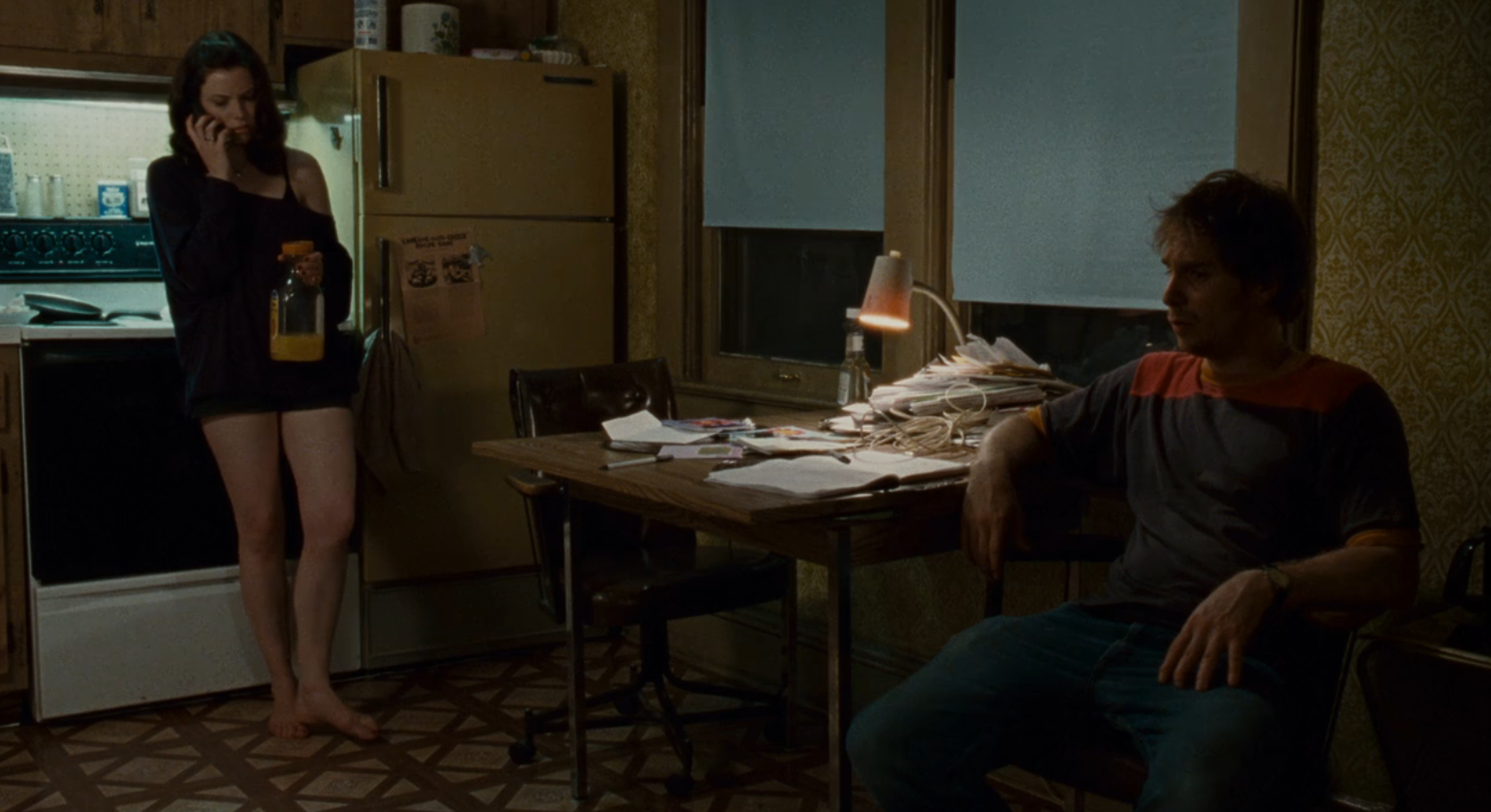
The idea that Choke presents, that even the most broken, traumatized people can find community and forge a path forward as long as they’re honest with themselves and one another, has meant the world to me since I first read it as an already traumatized teenager with serious abandonment issues. While there’s definitely a hint of misogyny in the novel (because Chuck can’t help himself), Rockwell’s version of Victor is thankfully a bit softer on women. The saving grace here is Beth, who proves herself to have hidden depth that counteracts Victor’s nihilism and sarcasm. She is his foil, proof of unconditional love and warmth, and her wisdom is a necessary blow to his ego. Look, the guy’s a total martyr, but he also thinks he’s better than everyone because he went to med school, and getting taken down a notch was definitely a part of his growth. But I digress…
Where the message in Fight Club is one of anti-capitalism and individualism and a warning about cult mentalities, Choke feels much more personal. (Aside: I am just now realizing Gregg probably didn’t have the building falling while they held hands at the end of Choke because the Fight Club comparisons would have been obscene.) For me, it’s always been deeply relatable and rather inspiring.
While I was not kidnapped or raised on-the-run from the law, I did unfortunately end up with some trauma and pretty serious abandonment issues from my childhood that make it all too easy for me to identify with Victor. I know what it’s like to push people away, to act out because you feel unworthy of love yourself and don’t know how to receive it. It’s a powerful thing to identify within yourself and can be extremely resonant to see in media, because it gives you the power to change those behaviors. Sometimes you have to hit rock bottom to see the light, but it’s always there and worth fighting for.
Over the years, Choke’s final message has been something I return to when I feel lost or hopeless, because it’s one of endless potential. Maybe what Denny, Beth, and Victor build will just be a big pile of rocks, but even then it will still be a way for them to bond and restore their lives. Sometimes just the act of creation is enough.
My life definitely feels like a pile of rubble lately. I quit my stable-ish job and with it potentially ended my career in the entertainment industry because the field is in such dire straits that people who are far more qualified than yours truly cannot find work. I’m trying to start a little business selling my arts and crafts but that’s a slow road with a lot of work, and it’s not writing. It’s not contributing to the world of entertainment in any way, and it’s kind of been eating at me. My old abandonment fears have reared their ugly heads and the feelings of unworthiness have been running wild. It’s not easy having C-PTSD on a good day, let alone in a time when you have quite a few extra reasons to feel like a living armpit stain.
Choke has always been my reminder that with the help of the people in my life, I can always start over and rebuild. We are all deserving of love, even assholes like Victor Mancini, and we deserve a chance to heal. Gregg’s movie may have missed the mark on that perfect ending, but it still gets the point across that none of us are perfect and trying to fit into any kind of binary is only going to make you miserable. “We are not born equal sinners, or perfect knock-offs of God. The world tells us whether we're heroes or victims. But, we can decide for ourselves,” Victor tells us. (It’s a little direct, but after the way people misunderstood Fight Club, can you really blame Gregg for laying it out there as plain as he could?)
There are definitely times in my life when I’ve felt like a martyr and the victim, and I’ve tried desperately to be a hero. It would be easy to pull a Victor and indulge my id, ignore addressing my issues, and push people away. I’ve been taking my own self-inventory, and trying not to be bitter, and some days are better than others. Moving forward is a conscious choice, however, and one that Choke helped cement in me.
I can always improve. I can always build something new. There is always hope. That might feel a little too inspirational to come from a Chuck Palahniuk novel, but here we are.
So here I am. Building a world out of rocks and chaos. I don’t know exactly what’s next, but it could be anything.
